
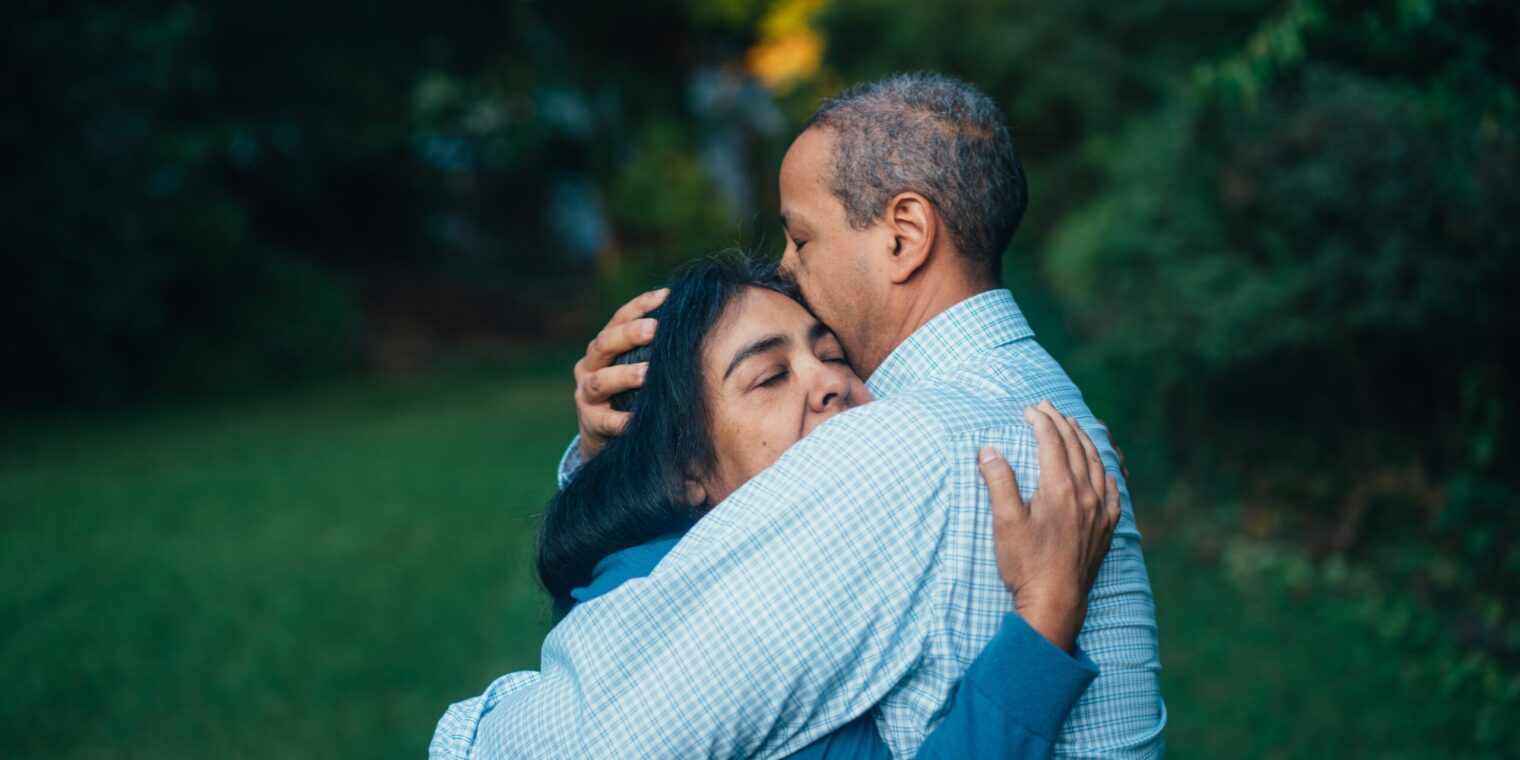
Every disaster we experience, every loss, wounds us. An invisible wound paralyses us, robbing us of joy and peace of mind. Fear and a sense of helplessness prevail.
It is normal and expected:
- to feel exhaustion/fatigue, to be unable to sleep, to be irritable towards what others say to you, to have no appetite for days, weeks or even months after the traumatic event,
- transient and simultaneously many intense emotions (shock, fear, anger, shame, guilt, hopelessness),
- emotional “numbness” (inability to approach or accept care, even from your loved ones),
- tensions in your close relationships, even a considerable time after the incident,
- nightmares, flashbacks, memories of the traumatic event,
- intense anxiety.
What can I do?;
- ask for the coverage of your basic functional needs (safe housing, security of your property, food),
- bring close to you emotional support and care, primarily from people close to you, who did not experience the disaster,
- you express- talk about your genuine feelings,
- you demand the expression of your pain, you give no room for advice such as: “don't cry”, “come on now, it will pass”, “don't act like that” etc. You have the right to express yourself. If the person opposite you cannot “stomach” it and is unable to manage the feelings your words cause them, then they too express how they feel!,
- accept that you are going through a period of mourning,
- seek out 3-4 hugs (at least!) so that you can cry safely within them,
- it will take time, give yourself time, give yourself the right to feel the loss, the grief, AS MUCH AS χρόνο χρειαστεί για να επουλωθεί η πληγή σου…,
- το κλάμα ελευθερώνει, ανακουφίζει την ψυχή,
- φρόντισε τον εαυτό σου με το να ζητήσεις την κατάλληλη φροντίδα από εκείνους που μπορούν να την προσφέρουν,
- είσαι θύμα της καταστροφής, μην αφήσεις τον εαυτό σου σε αυτόν τον ρόλο για πολύ. Δεν είναι απαραίτητο να είσαι στην θέση του “θύματος” για να μπορείς να ζητήσεις έναν ώμο να γύρεις και να κλάψεις. Θέλει θάρρος και δύναμη να αναγνωρίσεις ότι έχεις ανάγκη και να το ζητήσεις,
- “βούτα” μέσα στο “κενό” και την θλίψη όσο το χρειάζεται η ψυχή σου, αλλά έλα και στην επιφάνεια: Τι μπορώ να κάνω από εδώ και πέρα; Πιο είναι το επόμενο μικρό βήμα για να ανασυγκροτηθώ;
Απόσπασμα από το άρθρο μου: Πένθος, απώλεια ή και κάτι ακόμα; (μπορείς να το διαβάσεις εδώ)
Δεν θα επιτρέψω σε κανέναν και τίποτα να μου πει: ‘Μην κλαις’. Κανένας κοινωνικός κανόνας δεν θα μπει εμπόδιο στο δικαίωμά μου να αισθανθώ και να εκφραστώ. Έχω το δικαίωμα να βιώσω κάθε κύμα θλίψης που έρχεται. Και αν κάποιος μου πει: ‘Μην κλαις γιατί με στεναχωρείς’, έχω να του πω: ‘Αν θέλεις να είσαι πραγματικά κοντά μου κράτα μου το χέρι και επίτρεψε στον εαυτό σου να αισθανθεί ό,τι αισθάνεται βλέποντας τα υγρά μου μάτια και θα με καταλάβεις ακόμα καλύτερα, το ότι σε στεναχωρεί και σένα το δικό μου πένθος με συνδέει μαζί σου και αυτή την σύνδεση την έχω ανάγκη τώρα, εάν δεν αντέχεις ή δεν θέλεις να είσαι κοντά μου είναι αποδεκτό, αλλά μην στέκεσαι εμπόδιο στο συναίσθημα μου…’