
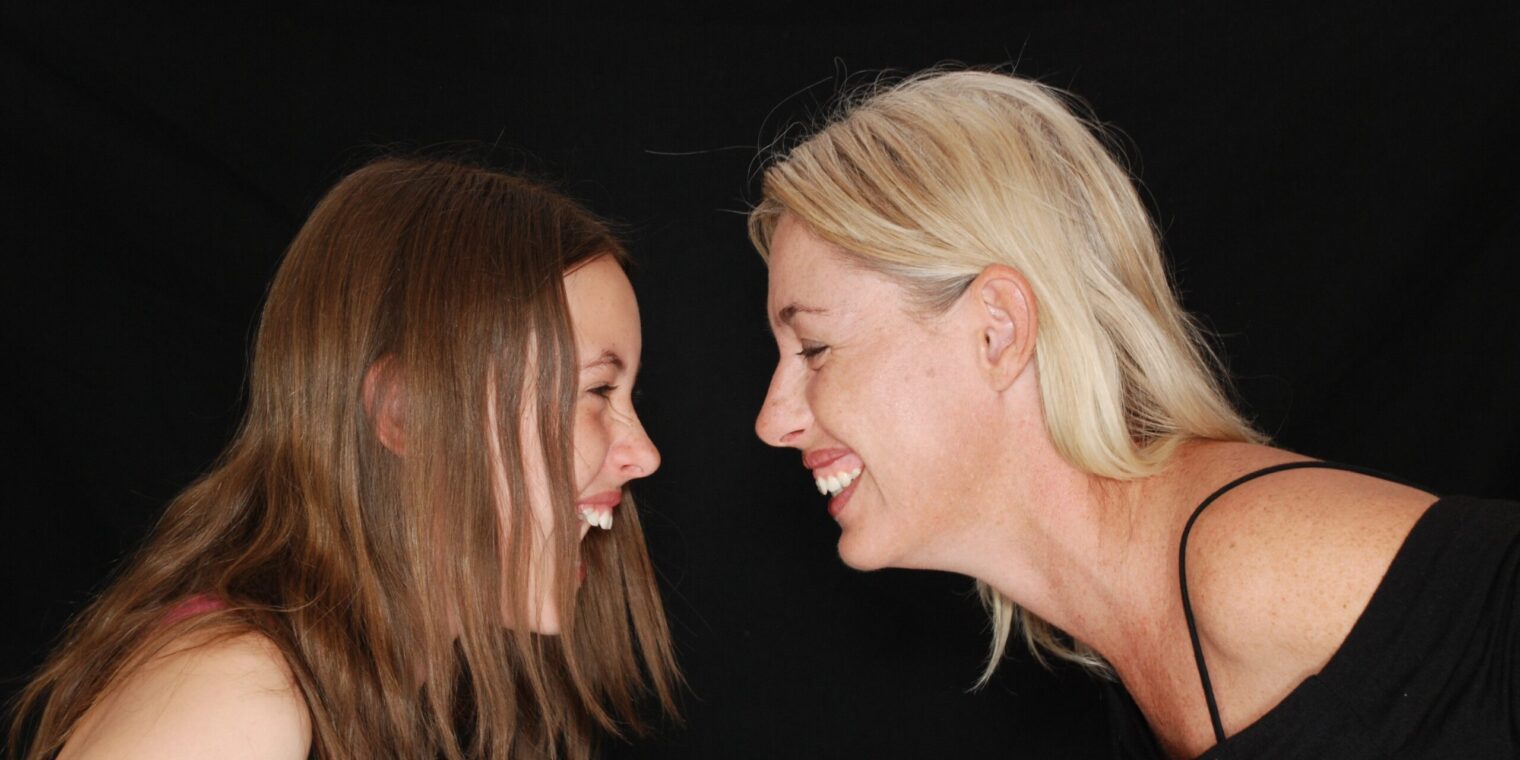
You may have heard that one way of distinguishing communication is into verbal and non-verbal, or body language. Verbal communication focuses mainly on words. Beyond words, however, there are many other characteristics that contribute to the message we want to convey to our interlocutor. These are:
- the tone of voice
- how fast we speak
- how we colour our words
- facial expressions (which reflect our emotions)
- body posture
- gestures
- and anything else our interlocutor can perceive with their senses
For effective communication, it is desirable for all the above to be aligned. In other words, to function like a coordinated team of stimuli with a common purpose. For example, a person who tells us that they feel terrible while smiling at the same time is transmitting a two-sided message. Their mouth says they are sad and their body says they are happy.
How would you feel if, when asking your interlocutor if they like an activity, they tell you: «Of course I like it!» but at the same time shake their head from side to side? Imagine further that you ask your daughter if she caused the damage and she says no, but nods her head up and down. So what happens with these messages that are double? Certainly, their use does not belong to the characteristics of direct and effective communication.
The same could happen with two contradictory verbal messages.
When someone communicates two contradictory messages at the same time (most of the time without realising it), then their interlocutor has four choices:
1. To concentrate on what is being said and ignore their expressions.
2. To concentrate on what they see rather than what they hear.
3. To be confused by this message and avoid continuing the conversation with them without knowing why.
4. To discern the double message and ask probing questions to understand what the interlocutor really wants to communicate.
There is research data supporting that dysfunctional families communicate using double messages. When, for example, a parent tells the child: «You can choose to do whatever activity you want, karate, dancing, guitar, whatever you want! We as parents might struggle financially, but you will do what you want!»
Is there a double message in the above example? And if so, what is it?;
The child hears the above sentence but feels confused. Choosing to do an extra activity means their parents will struggle financially. Do you know any child who would want to do karate because they like it and at the same time do harm to their parents? And yet this is the message because at that moment the child connects in their mind that when they choose to do something for themselves, someone else will be deprived of something. We observe this in adults who feel guilty when they treat themselves to something but feel unhappy about it and find it difficult to understand where this unhappiness comes from, which prevents them from enjoying it.
It is extremely important that the parent's mouth and body send the same message when communicating with the child.
The child's personality is built through these messages.
So what can we do to prevent double messages from standing in the way of our communication?;
It is good to remember that the way we speak to others is the way we speak to ourselves. Let us therefore observe whether we are conveying a clear message overall. The first step is observation. Do I feel what I am saying?;
Η επικοινωνία των ανθρώπων έχει πολλά επίπεδα και ακόμα και δύο λεπτά κουβέντας μπορούν να φανερώσουν πάρα πολλά πράγματα για τις σχέσεις των ανθρώπων που συζητούν. Τη στιγμή που αρχίζουμε και αντιλαμβανόμαστε πώς επικοινωνούμε το μήνυμά μας τότε αρχίζουμε και αναρωτιόμαστε αν θα μπορούσαμε να επικοινωνήσουμε με πιο ευθύ τρόπο. Όταν ανακαλύψουμε ένα διπλό μήνυμα πρέπει να αναρωτηθούμε ποιο από τα δύο μηνύματα είναι το αληθινό. «Θέλω να πω ναι; ή θέλω να πω όχι;» «Θέλω να πω θέλω ή δεν θέλω;»